

La sostenibilità è un principio di lavoro fondamentale dei Movimenti Olimpico e Paralimpico. I Giochi Invernali Milano Cortina 2026 hanno raccolto la sfida di essere un modello in questo campo, gestendo
l’integrazione delle tematiche legate alla sostenibilità e promuovendo l’attuazione di iniziative di legacy lungo l’intero ciclo di vita dei Giochi.
Integrare criteri, iniziative e azioni per una maggiore sostenibilità in tutte le fasi dei Giochi può generare benefici di lungo periodo e una legacy su due livelli:
LEGACY MATERIALE
Tutti gli effetti materiali dei Giochi che contribuiscono allo sviluppo locale di lungo periodo (ad esempio, la riqualificazione delle infrastrutture sportive, l’aumento del turismo e dell’accessibilità, gli ampliamenti, le nuove configurazioni e le innovazioni nei servizi medici, nell’energia, nei trasporti e nelle infrastrutture di telecomunicazione nelle aree interessate dai Giochi).
LEGACY IMMATERIALE
Tutti gli effetti immateriali dei Giochi che contribuiscono allo sviluppo di lungo periodo delle persone e delle comunità (ad esempio, attraverso l’incremento dell’attività sportiva e di stili di vita più sani, o la consapevolezza dell’impatto delle scelte individuali; attraverso la formazione professionale dedicata su servizi specifici per i Giochi, ad es. sanitari). Il Comitato Organizzatore ha realizzato direttamente una serie di progetti
(Programma educativo Gen26, Olimpiade culturale, Italia dei Giochi, Programma volontari Team26, iniziative di formazione e sensibilizzazione, ecc.); altri sono stati sviluppati da organizzazioni esterne, come comuni, partner e organizzazioni non profit.
L’obiettivo finale è stato quello di creare una legacy tangibile post-Games e, al contempo, trasmettere gli ideali dei Movimenti Olimpico e Paralimpico alle generazioni future attraverso il coinvolgimento attivo di una rete di stakeholder locali, comprese le pubbliche amministrazioni, i partner e le imprese, le associazioni sportive e le organizzazioni del terzo settore
Liski Sport Equipment, as Official Supporter of Milano Cortina 2026, made a substantial contribution to the sponsorship through the supply of materials for all sport and safety equipment, namely:
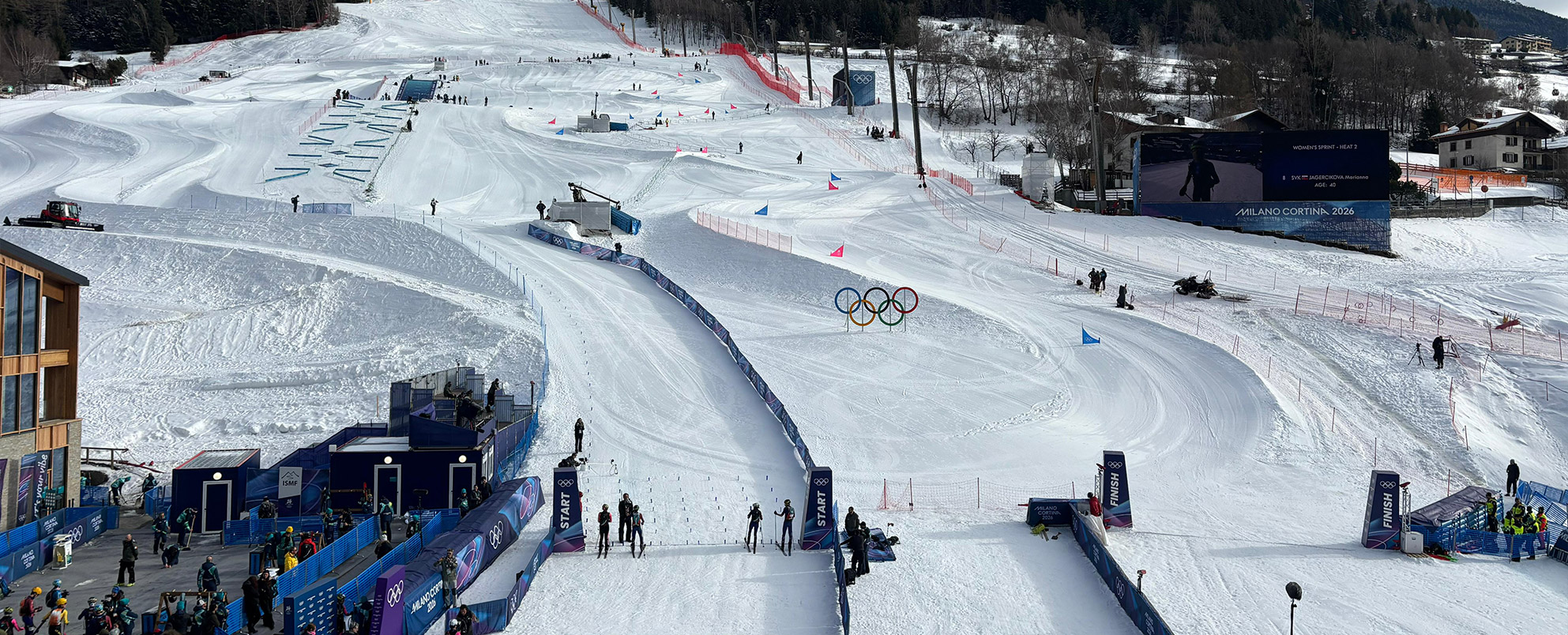
• for the setup of the competition venues for alpine skiing, snowboard, freestyle, cross country skiing, ski jumping, nordic combined, biathlon and ski mountaineering, including the start huts for alpine skiing races;
• materials for ice sports and for the bobsleigh, skeleton and luge track;
• for the safety net systems of type A on the Stelvio slope in Bormio and on the Slope Style and Big Air slopes through Simico;
• for the safety delimitation of venues with nets. Of the above mentioned supplied material, 35% was provided in the form of rental.
Some Liski products demonstrated particular environmental performance:
• supply of 16,400 bibs for Athletes, 3,900 bibs for the Workforce, including Volunteers, and thousands of wristbands made from 100% recycled polyethylene fabric;
• supply of approximately 620 foam mattresses in various formats, with 67% by weight of recycled foam, partly sourced from the ski boot recycling chain as part of a Life project funded by the European Union and developed with several leading companies in the sector;
• supply of polycarbonate net support poles with 30% use of secondary raw materials.
Liski holds ISO 9001, 14001, 45001 and 50001 certifications and therefore integrates environmental sustainability, product quality, employee welfare, labour standards and energy consumption into its management system. The company has installed a 100 kW photovoltaic system and, by optimising energy consumption, has nearly achieved energy parity between energy produced and consumed.
The high quality of Liski products enables a substantial reduction in the dispersal of macroplastics into the environment, a path begun approximately 20 years ago and now firmly established. Production waste is fully processed and reused as secondary raw material within production cycles or through third-party companies.
 +39 035 4826195
 info@liski.it
