


Sustainability is a fundamental working principle of the Olympic and Paralympic Movements. The Milano Cortina 2026 Winter Games embraced the challenge of setting an example in this field by managing the integration of sustainability-related issues and promoting the implementation of legacy initiatives throughout the entire life cycle of the Games.
Integrating sustainability criteria, initiatives and actions into every phase of the Games can generate long-term benefits and create a legacy on two levels:
TANGIBLE LEGACY
All the tangible effects of the Games that contribute to long-term local development (e.g. the redevelopment of sports facilities, increased tourism and accessibility, expansions, new configurations and innovations in medical services, energy, transport and telecommunications infrastructure in the areas hosting the Games).
INTANGIBLE LEGACY
All the intangible effects of the Games that contribute to the long-term development of individuals and communities (e.g. through increased participation in sport and the promotion of healthier lifestyles, or greater awareness of the impact of individual choices; through dedicated professional training in services specifically related to the Games, such as healthcare services).
The Organising Committee directly implemented a number of projects (the Gen26 Educational Programme, the Cultural Olympiad, Italia dei Giochi, the Team26 Volunteer Programme, training and awareness-raising initiatives, etc.). Other projects were developed by external organisations, including municipalities, partners, non-profit organisations and other stakeholders.
The ultimate goal was to create a tangible post-Games legacy while passing on the ideals of the Olympic and Paralympic Movements to future generations through the active involvement of a network of local stakeholders, including public authorities, partners and businesses, sports associations and third-sector organisations.
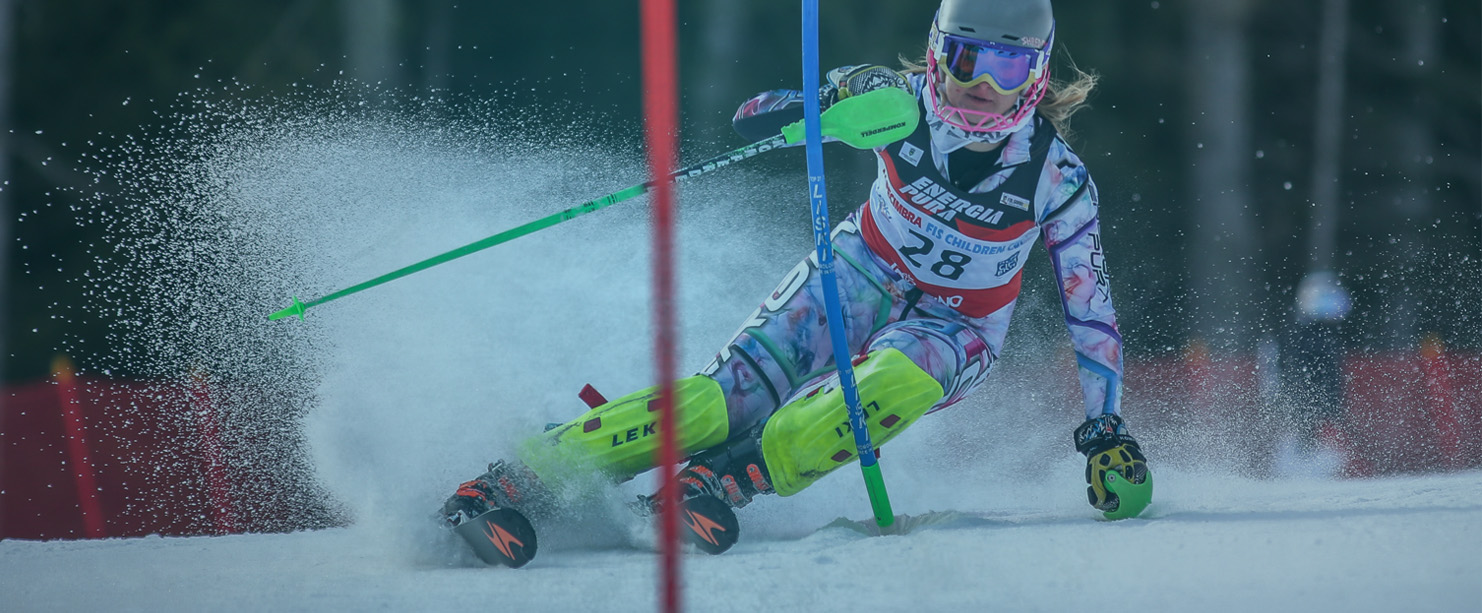
Liski Sport Equipment, as an Official Supporter of Milano Cortina 2026, made a substantial contribution to the Games by supplying materials for all sports and safety equipment, specifically:
– Equipment and materials for the preparation of competition venues for alpine skiing, snowboarding, freestyle skiing, cross-country skiing, ski jumping, Nordic combined, biathlon and ski mountaineering, including the start huts for alpine skiing competitions;
– Materials for ice sports and for the bobsleigh, skeleton and luge tracks;
– Type A safety netting systems on the Stelvio course in Bormio and on the Slopestyle and Big Air courses, through Simico;
– Safety perimeter fencing for the venues using protective netting.
Of the materials supplied, 35% were provided on a rental basis.
Some Liski products demonstrated particularly strong environmental performance:
– Supply of 16,400 athlete bibs, 3,900 bibs for operational staff, including volunteers, and thousands of wristbands, all made from 100% recycled polyethylene fabric;
– Supply of approximately 620 foam safety mats in various sizes, containing 67% recycled foam by weight. Part of this material came from the ski boot recycling supply chain, as part of a Life project funded by the European Union and developed in collaboration with several leading companies in the industry;
– Supply of net support poles made of polycarbonate, incorporating 30% secondary raw materials.
Liski holds ISO 9001, ISO 14001, ISO 45001 and ISO 50001 certifications, thereby integrating environmental sustainability, product quality, employee well-being, labour standards and energy consumption into its management system.
The company has installed a 100 kW photovoltaic system and, through energy consumption optimisation, has almost achieved energy balance between the electricity it generates and the electricity it consumes.
The high quality of Liski products helps substantially reduce the release of macroplastics into the environment. This commitment began approximately 20 years ago and is now firmly established.
All production waste is processed and reused as secondary raw material, either within interconnected production cycles or through third-party companies.
 +39 035 4826195
 info@liski.it
